
 Globiscope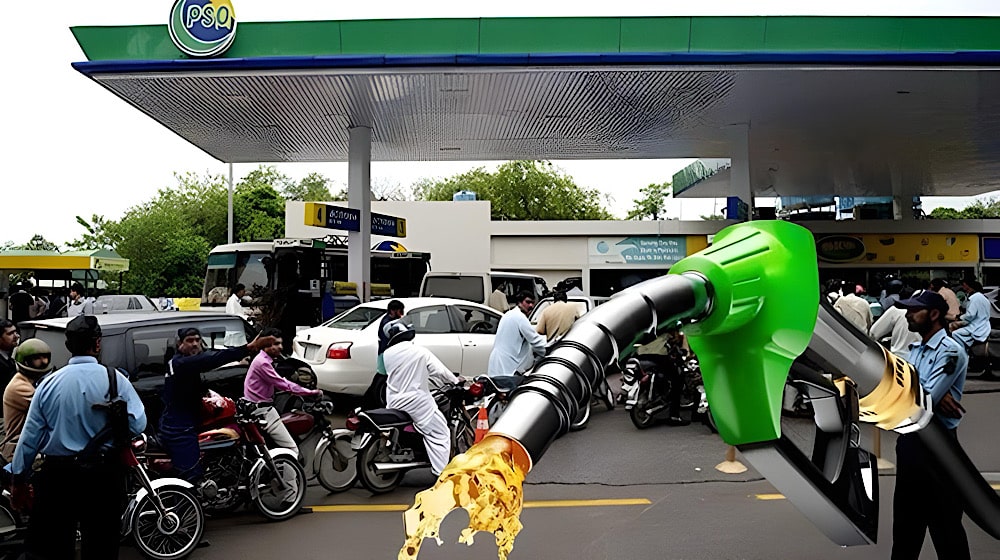
The government is considering an increase of Rs. 5 per litre in the petroleum levy. The move aims to reduce the massive circular debt in Pakistan’s gas sector. According to Express Tribune, the proposal is currently under review at senior government levels.
Why the Government Is Planning the Increase
The gas sector faces circular debt worth Rs. 3.3 trillion. Out of this, Rs. 1.7 trillion is principal debt. The government plans to retire this amount over the next six years.
However, unlike the power sector, the gas sector has no dedicated surcharge mechanism. As a result, authorities are exploring alternative revenue sources.
Proposed Changes in Petroleum Levy
Under the plan, the petroleum levy would increase as follows:
- Petrol: from Rs. 79.62 to around Rs. 85 per litre
- High-speed diesel: from Rs. 75 to about Rs. 80 per litre
If approved by the federal cabinet and the IMF, this step could generate nearly Rs. 540 billion over the coming years. Ultimately, consumers nationwide would bear the additional cost.
Other Revenue Sources Under Consideration
In addition to the higher levy, the Petroleum Division has proposed multiple funding streams.
First, the government plans to use dividends from state-owned oil and gas companies. These dividends could contribute around Rs. 680 billion.
- OGDCL: over Rs. 250 billion
- PPL: approximately Rs. 230 billion
- GHPL: nearly Rs. 200 billion
Second, the plan includes Rs. 415 billion in savings from diverting imported LNG cargoes. Another Rs. 75 billion may come from recoveries.
Importantly, officials want to use these savings for debt retirement instead of reducing gas prices.
Government and IMF Position
Finance Minister Muhammad Aurangzeb has reviewed the proposal this week. Meanwhile, the Finance Division has largely supported the idea. Still, it has raised concerns about the timeline and accounting treatment of dividend income.
Petroleum Minister Ali Pervaiz Malik explained that dividend use is necessary due to uncertain gas revenues. He highlighted that the power sector already charges a Rs. 3.23 per unit surcharge to service its debt.
Meanwhile, the IMF has stressed the need for stock retirement and timely tariff adjustments. Although cost-reflective tariffs reduced principal debt last year, late payment surcharges continued to push overall debt higher.
Conditions for Debt Retirement
The plan assumes gas tariffs will remain aligned with actual costs. It also depends on preventing fresh circular debt from accumulating.
Furthermore, debt retirement would require creditors to waive interest on late payment surcharges. This approach mirrors previous reforms in the power sector.
What Happens Next
Consultations between the Finance and Petroleum divisions are ongoing. Once finalized, the proposal will be submitted to the federal cabinet for approval.
Officials say this gas sector reform is part of the broader economic framework agreed with the IMF.

Read more trusted business and energy updates at:
https://propakistani.pk
OGDCL Receives Rs. 41.8 Billion from Uch Power as Part of Circular Debt Settlement





 T" />
T" />

