
 Globiscope
Geopolitical tensions and shifting economic goals shaped global markets in 2025. These forces strengthened the long-standing connection between gold, oil, and the world economy. From tariff battles to unrest in key oil-producing regions, markets constantly repriced risk. While equities captured headlines, gold and oil quietly revealed deeper shifts in investor sentiment.
Gold reacted to every twist in the global rate-cut cycle. Slowing inflation, policy uncertainty, and shifting expectations moved prices quickly. Meanwhile, oil became a real-time indicator of supply pressure, swinging as OPEC+ decisions clashed with geopolitical conflicts. Together, these commodities offered a clear picture of how the global economy absorbed a turbulent year.
A Turbulent 2025

Gold and oil reflected a world unsettled by politics and policy. Gold saw sharp moves as central banks struggled with inflation. Early in 2025, slow rate-cut expectations weighed on prices. Later, signs of easing pushed gold higher, reaffirming its role as a safe haven.
Oil faced constant supply shocks. OPEC+ kept a price floor, but regional conflicts and disruptions pushed prices around. At the same time, global demand fluctuated. Some major economies slowed, while others held steady. As a result, the market moved on headlines as much as fundamentals.
Gold’s Outlook for 2026
Gold enters 2026 in a sensitive macro environment. Its path depends on how fast inflation cools and when central banks commit to broader rate cuts. If global easing accelerates, gold may gain long-term support. Overstretched equity markets could strengthen this trend.
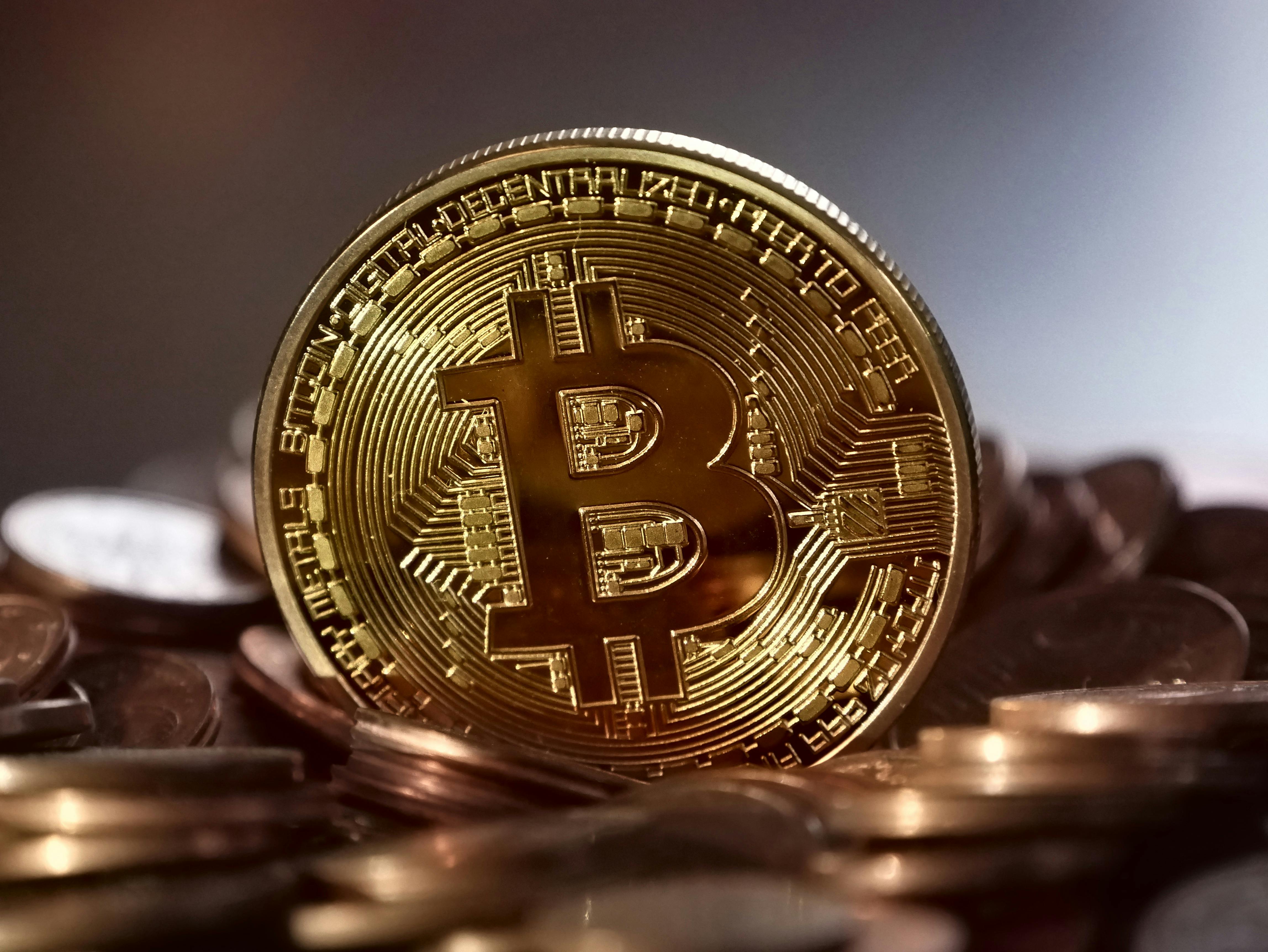
Investor behavior will also matter. Although cryptocurrencies attract speculative interest, gold remains a reliable store of value. Historically, gold performs well when growth weakens and monetary policy becomes supportive. Now, 2026 will test whether this pattern continues or diversification trends begin to shift gold’s dominance.
Oil’s Supply and Demand Puzzle
Oil moves into 2026 with unresolved questions. OPEC+ remains central to supply control. Future discipline within the group will determine price floors and ceilings. Meanwhile, non-OPEC producers — especially the United States — continue to influence the balance.
Demand carries the most uncertainty. Global recovery, especially in China and major importers, will determine consumption strength. Furthermore, the energy transition complicates long-term expectations. As governments push for renewables, oil traders must balance short-term fundamentals with long-term structural change.
Insights for Modern Traders
Active traders must follow macro signals closely. Central bank statements, inflation releases, and geopolitical updates can move gold and oil within seconds. Therefore, strong execution matters as much as good analysis.
According to Li Xing Gan, financial strategist at Exness, “Gold and oil will likely enter 2026 with clearer trends. If coordinated rate cuts proceed, gold may gain sustained support. Oil may trade in a tighter range, shaped by OPEC+ discipline and a gradual demand recovery. Traders should identify these transitions early and position around key intersections of policy and supply.”
Therefore, the 2025 behavior of gold and oil serves as a blueprint for 2026. Gold will respond directly to easing cycles and declining real yields. Oil will stay tied to supply management and uneven demand recovery across major economies.
In this landscape, traders who focus on macro trends rather than noise will benefit. Monitoring policy expectations, inflation data, and global consumption shifts will be crucial. The forces that shaped 2025 remain active — they have simply evolved. In 2026, gold and oil will continue to reflect how the global economy adapts.
Faysal Bank Champions Inclusion with Unmatched Healthcare Offers for PWDs





 T" />
T" />

